- Monthly car rental in Dubai costs between AED 1,800–AED 4,500 for economy to mid-size sedans, while luxury vehicles range from AED 8,000–AED 25,000 per month in 2026
- Long-term rentals (30+ days) save you 40–60% compared to daily rates, and include comprehensive insurance, roadside assistance, and basic maintenance at most reputable companies
- The real cost includes hidden extras: Salik (toll) charges average AED 200–350/month, petrol runs AED 800–1,200/month for typical Dubai driving, and security deposits range from AED 1,500–AED 5,000 depending on vehicle class
A standard monthly car rental in Dubai costs AED 2,200–AED 2,800 for popular models like the Toyota Yaris or Nissan Sunny when you book for 30 days or more. I've been helping customers navigate monthly rentals at DubaiLUX for six years now, and the thing most people don't realise is that the advertised monthly rate is just your starting point. Last week, a customer called me surprised that his AED 2,400 monthly rental actually cost him closer to AED 3,800 when he factored in fuel, Salik, and the security deposit he hadn't budgeted for. This guide breaks down every dirham so you know exactly what you'll pay.
How Much Does Monthly Car Rental Actually Cost in Dubai in 2026?
The advertised monthly rate covers the vehicle rental itself, comprehensive insurance, basic roadside assistance, and scheduled maintenance at most established rental companies including DubaiLUX. For 2026, expect these baseline monthly rates: economy cars (Kia Pegas, Mitsubishi Attrage) run AED 1,800–AED 2,200, compact sedans (Toyota Yaris, Nissan Sunny) sit at AED 2,200–AED 2,800, mid-size sedans (Honda Accord, Toyota Camry) range from AED 3,200–AED 4,200, and SUVs (Nissan X-Trail, Kia Sportage) cost AED 3,800–AED 5,500 monthly.
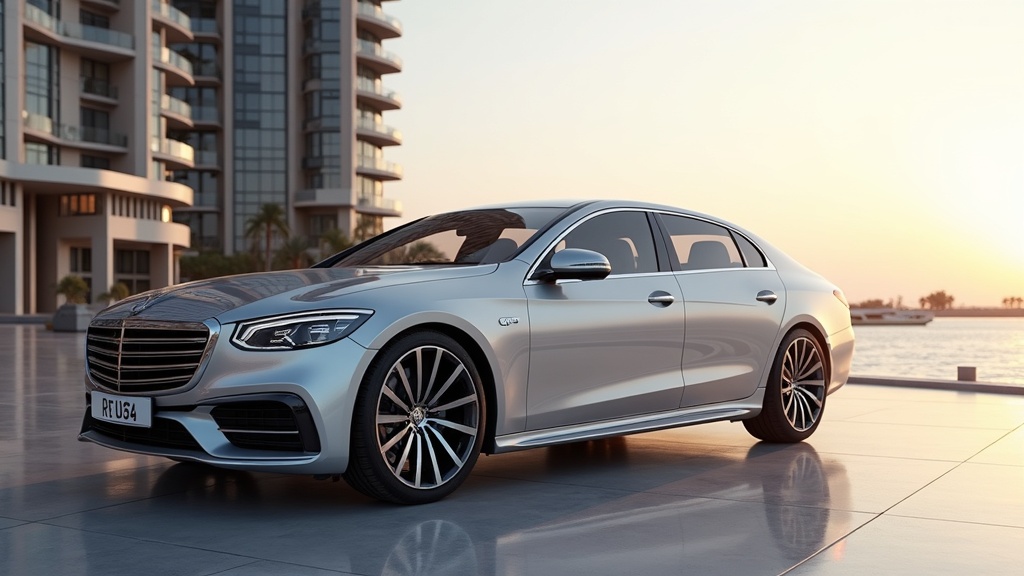
I always tell customers that luxury and premium segments operate on completely different pricing structures. A BMW 5-Series or Mercedes E-Class runs AED 8,000–AED 12,000 monthly, while high-end vehicles like the Range Rover Sport or Porsche Cayenne reach AED 15,000–AED 25,000 per month. These rates reflect 2026 market conditions with the expanded metro network and increased competition among rental operators, which has actually pushed monthly rates down about 8–12% compared to 2024 prices.
The thing most people don't realise is that monthly contracts give you significant negotiating power. When you commit to 60 or 90 days upfront, most companies including us at DubaiLUX offer an additional 10–15% discount. I had a customer last month who booked a Honda Accord for three months and paid AED 2,850 per month instead of the standard AED 3,400—a saving of AED 1,650 over the rental period just by committing to a longer term and asking about extended-stay discounts.
| Vehicle Category | Popular Models | Monthly Rate (AED) | Security Deposit (AED) |
|---|---|---|---|
| Economy | Kia Pegas, Mitsubishi Attrage | 1,800–2,200 | 1,500 |
| Compact Sedan | Toyota Yaris, Nissan Sunny | 2,200–2,800 | 1,500–2,000 |
| Mid-Size Sedan | Honda Accord, Toyota Camry | 3,200–4,200 | 2,500 |
| Compact SUV | Nissan X-Trail, Kia Sportage | 3,800–5,000 | 3,000 |
| Premium Sedan | BMW 5-Series, Mercedes E-Class | 8,000–12,000 | 5,000 |
| Luxury SUV | Range Rover Sport, Porsche Cayenne | 15,000–25,000 | 7,000–10,000 |
| Sports/Exotic | Ferrari, Lamborghini | 35,000–80,000 | 15,000–25,000 |
This data shows you the full spectrum, but here's what it means for your budget: if you're planning a monthly rental, choose your vehicle category first based on the security deposit you can comfortably set aside, not just the monthly rate. The deposit is refundable but ties up your cash for the rental duration. I recommend economy or compact sedans for most long-term residents and business visitors—they deliver the best value per dirham and have the lowest total upfront costs (first month plus deposit) of around AED 3,700–AED 4,800 combined.
What's Actually Included in Your Monthly Rate?
I answer this question at least a dozen times every day because rental agreements can be confusing. Here's exactly what you're getting and what costs extra.
- Comprehensive insurance coverage: This protects you against accident damage, theft, and third-party liability as required by UAE law. Your excess (the amount you pay in case of an accident) typically ranges from AED 1,500–AED 3,000 for standard vehicles, though you can often reduce this to zero by paying an additional AED 20–30 per day. Most customers skip this extra coverage for monthly rentals, but I always recommend it if you're new to driving in Dubai.
- 24/7 roadside assistance: This covers breakdowns, flat tyres, battery jumpstarts, and emergency towing within Dubai and to the Northern Emirates. At DubaiLUX, our response time averages 35 minutes anywhere in Dubai. The thing most people don't realise is that roadside assistance doesn't cover you if you run out of petrol—that's considered driver negligence and you'll pay AED 150–200 for the callout plus fuel costs.
- Scheduled maintenance and repairs: Oil changes, brake pad replacements, and mechanical issues are the rental company's responsibility during your contract. You just need to report any warning lights or unusual sounds immediately. I had a customer last month who ignored an engine warning light for two weeks—the minor issue became major and he was charged AED 800 for damage caused by continued driving.
- Vehicle registration and basic licensing: The car comes with valid registration, insurance documentation, and a Salik tag already installed. You don't handle any RTA paperwork for the vehicle itself. However, you're responsible for any traffic fines incurred during your rental period—these are deducted from your security deposit or billed separately.
- Free delivery and collection: Most companies including DubaiLUX deliver the vehicle to your location (home, office, or hotel) anywhere in Dubai at no extra charge for monthly rentals. Collection at the end of your contract is also free. Some companies charge AED 100–150 for delivery outside Dubai, so clarify this when booking if you're in Sharjah or Ajman.
- Unlimited mileage: Monthly rentals almost always include unlimited kilometres, unlike daily or weekly rentals which may have caps. Drive to Abu Dhabi, Al Ain, or Fujairah as often as you like without mileage charges. The only exception is exotic and luxury sports cars, which sometimes have 3,000–4,000 km monthly limits with excess charges of AED 5–10 per additional kilometre.
- Second driver option: Adding an additional authorised driver to your contract costs AED 200–300 for the entire monthly period at most companies. Both drivers must provide valid licences, and both must be present during vehicle handover. I always tell customers to add a second driver even if they think they won't need it—plans change, and adding a driver mid-contract is more complicated and expensive.
The Hidden Costs Nobody Warns You About
Beyond your monthly rental rate, four additional expenses significantly impact your total cost. I know these seem complicated at first, but understanding them prevents budget shock.
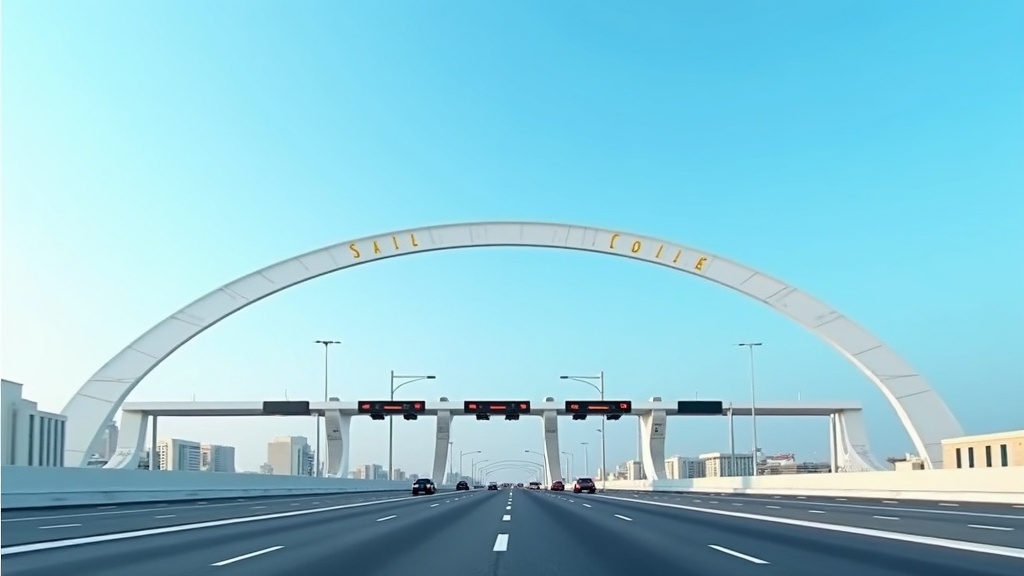
- Salik (toll) charges: Dubai's electronic toll system charges AED 5 each time you pass through a Salik gate—there are currently eight gates across Dubai, with the most common on Sheikh Zayed Road, Al Maktoum Bridge, and the routes to Abu Dhabi. The rental company pays the toll automatically using the installed Salik tag, then bills you monthly with a small administration fee (usually AED 2–3 per transaction). For typical Dubai driving patterns—commuting from areas like Dubai Marina to Downtown or DIFC daily—expect AED 200–350 monthly in Salik charges. The RTA Dubai website shows all current Salik gate locations so you can plan routes that minimise toll costs.
- Fuel costs: Petrol prices in the UAE fluctuate monthly but averaged AED 2.97 per litre for Special 95 in early 2026. A typical sedan with average fuel economy (12–14 litres per 100km) driven 1,200–1,500 km monthly (normal for Dubai residents) consumes about 160–210 litres, costing AED 475–625 monthly. However, I see most customers actually spend AED 800–1,200 because air conditioning usage in summer increases consumption by 20–30%, and Dubai traffic patterns mean more idling time. Always budget toward the higher end, especially May through September.
- Parking fees: If you work in areas like DIFC, Business Bay, or Dubai Marina, weekday parking runs AED 20–40 daily, adding AED 400–800 monthly to your costs. Residential parking in newer apartment buildings is often free for residents but costs visitors AED 10–20 per entry. Shopping mall parking is typically free for the first 3–4 hours. The thing most people don't realise is that public street parking in older Dubai areas (Deira, Bur Dubai) uses a paid parking system charging AED 2–4 per hour during business hours—forgetting to pay results in AED 150 fines.
- Traffic fines and violations: Speed cameras, illegal parking, using your phone while driving, and not wearing seatbelts all carry fines from AED 300–3,000 plus black points on the driver's licence. The rental company will deduct fines from your security deposit or charge your credit card, plus add an administrative fee of AED 25–50 per fine. I've seen security deposits completely consumed by accumulated parking fines from customers who didn't realise they were parking illegally in residential areas. Check the Dubai Police app regularly to monitor any fines attached to your rental vehicle's plate number.
When customers ask about long-term rentals versus buying a used car, I point them to our monthly car rental page where we break down the full financial comparison. For stays under 12 months, monthly rental almost always makes better financial sense when you factor in UAE vehicle registration costs, insurance premiums, depreciation, and the hassle of selling when you leave.
- Not reading the excess/deductible clause carefully: A customer last month assumed his comprehensive insurance meant zero cost in case of an accident. He had a minor parking collision and was shocked to pay AED 2,500 excess before insurance covered the remaining AED 4,300 in repairs. Always ask specifically what your excess amount is and whether you can reduce it. At DubaiLUX, we clearly state the excess on page one of every contract, but not all companies are this transparent.
- Assuming the security deposit is immediately refundable: Your deposit isn't returned the day you return the car. Most companies including us hold it for 21–30 days to ensure all Salik charges, traffic fines, and final fuel charges are processed and settled. Dubai Police can take 2–3 weeks to issue traffic fines, and Salik charges from your final days aren't invoiced immediately. I had a frustrated customer last week who needed his AED 2,500 deposit for his next apartment and hadn't budgeted for this delay—always plan for your deposit to be tied up for a full month after contract end.
- Not documenting existing damage during handover: Spend 10–15 minutes during vehicle delivery photographing every existing scratch, dent, and interior mark with your phone, with timestamps visible. I cannot stress this enough—customers who skip this step end up arguing about damage they didn't cause when returning the vehicle. We provide a damage inspection form, but your own photos are your protection. One customer saved himself AED 1,200 in disputed charges by showing us timestamped photos proving a door dent existed before he took delivery.
Frequently Asked Questions
Can I extend my monthly rental if I decide to stay longer in Dubai?
Yes, extending is straightforward and usually costs less than your original monthly rate. At DubaiLUX, extending for an additional month typically reduces your rate by 5–10% because you're now a longer-term customer. Just notify us at least 5–7 days before your contract ends. The thing most people don't realise is that letting your contract expire and starting a new one costs more—you'll pay new contract processing fees (around AED 100–150) and potentially lose your negotiated rate. I always set calendar reminders for customers to check in two weeks before contract end.
What documents do I need for monthly car rental in Dubai, and do tourists qualify?
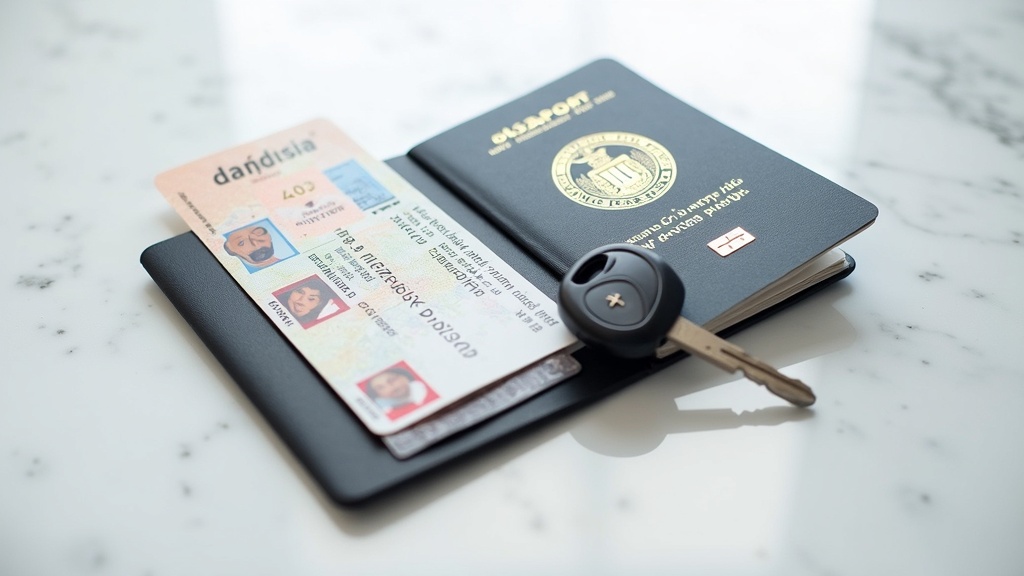
You need two forms of ID—your passport and either a UAE residence visa or tourist visa, plus a valid driving licence. For UAE residents, your Emirates ID and UAE driving licence are required. For tourists, your home country driving licence works if you're from one of 39 approved countries (including UK, USA, Canada, most EU nations, Australia, New Zealand, Singapore, Japan, and others), or you'll need an International Driving Permit alongside your home licence. Bring original documents plus one photocopy of each—this detail saves you a second trip. Most companies require tourists to pay the full monthly amount upfront plus deposit, while residents can sometimes arrange post

Customer Relations Manager, DubaiLUX
Processes 100+ monthly rental contracts per month at DubaiLUX.